Fort Wayne Railroad Historical Society Acquires Historic Railroad Business Car No. 1, Launches Fundraiser for 1920s-Era Restoration
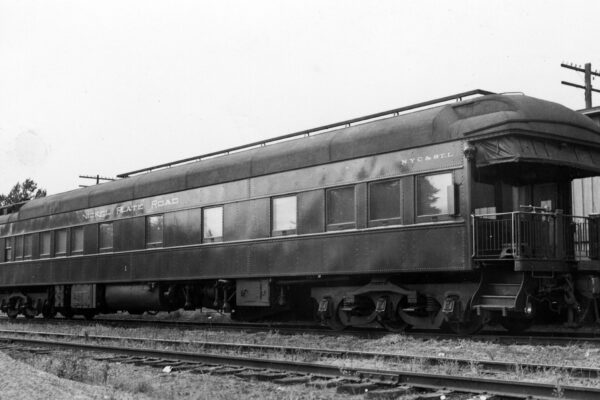
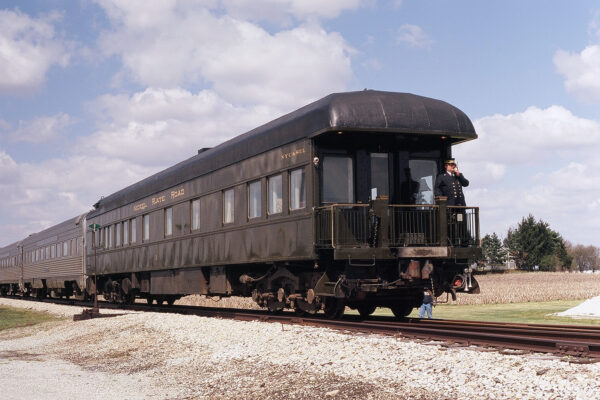
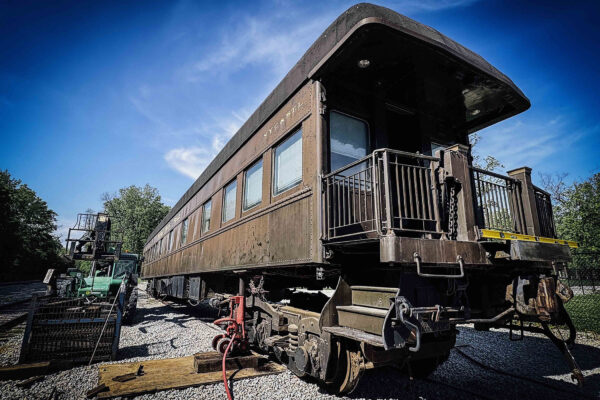
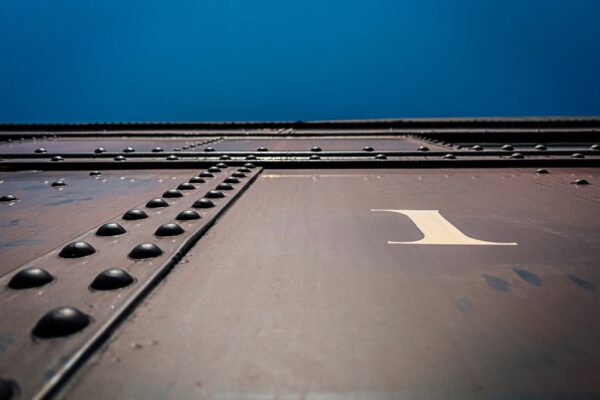
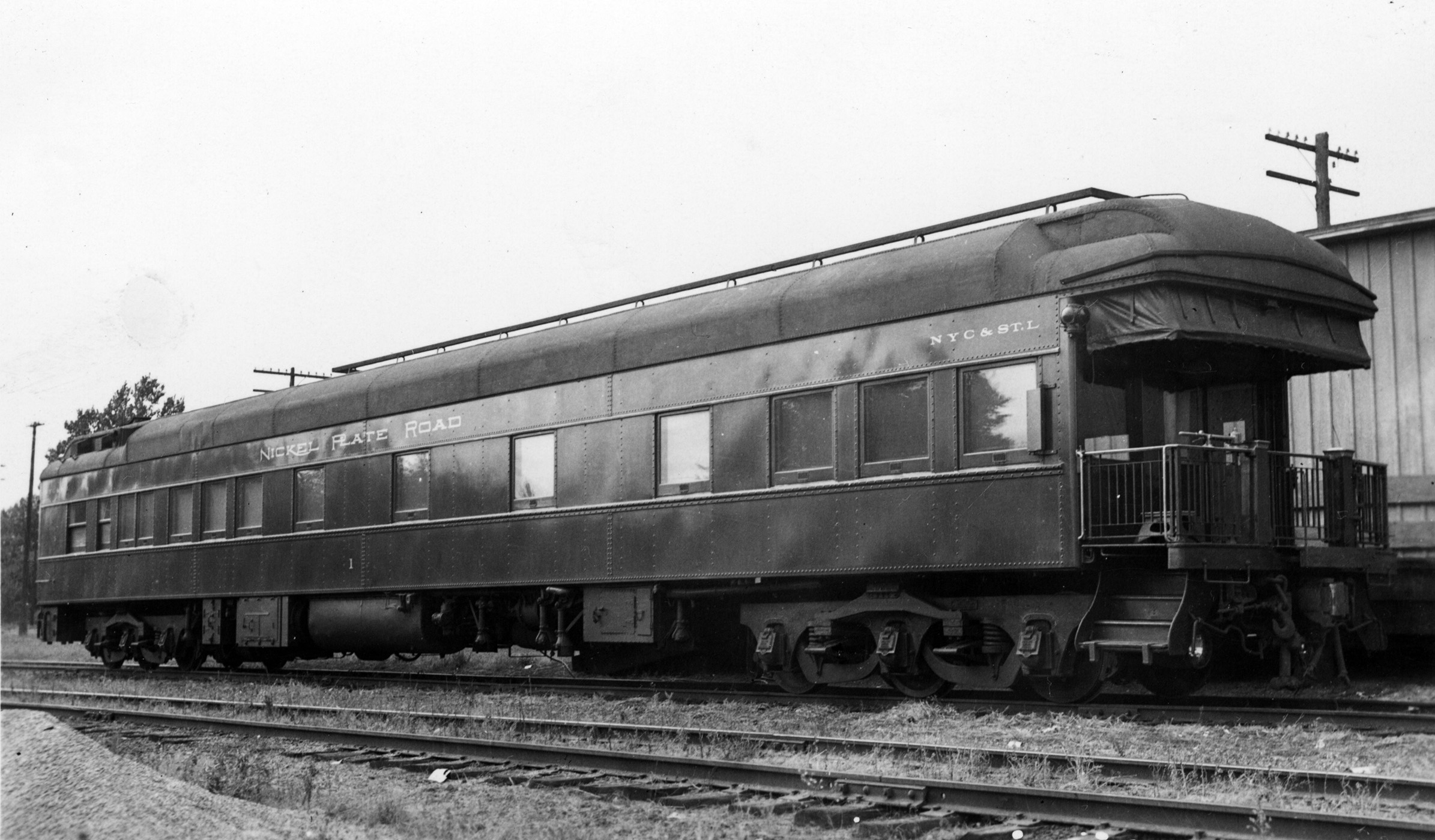
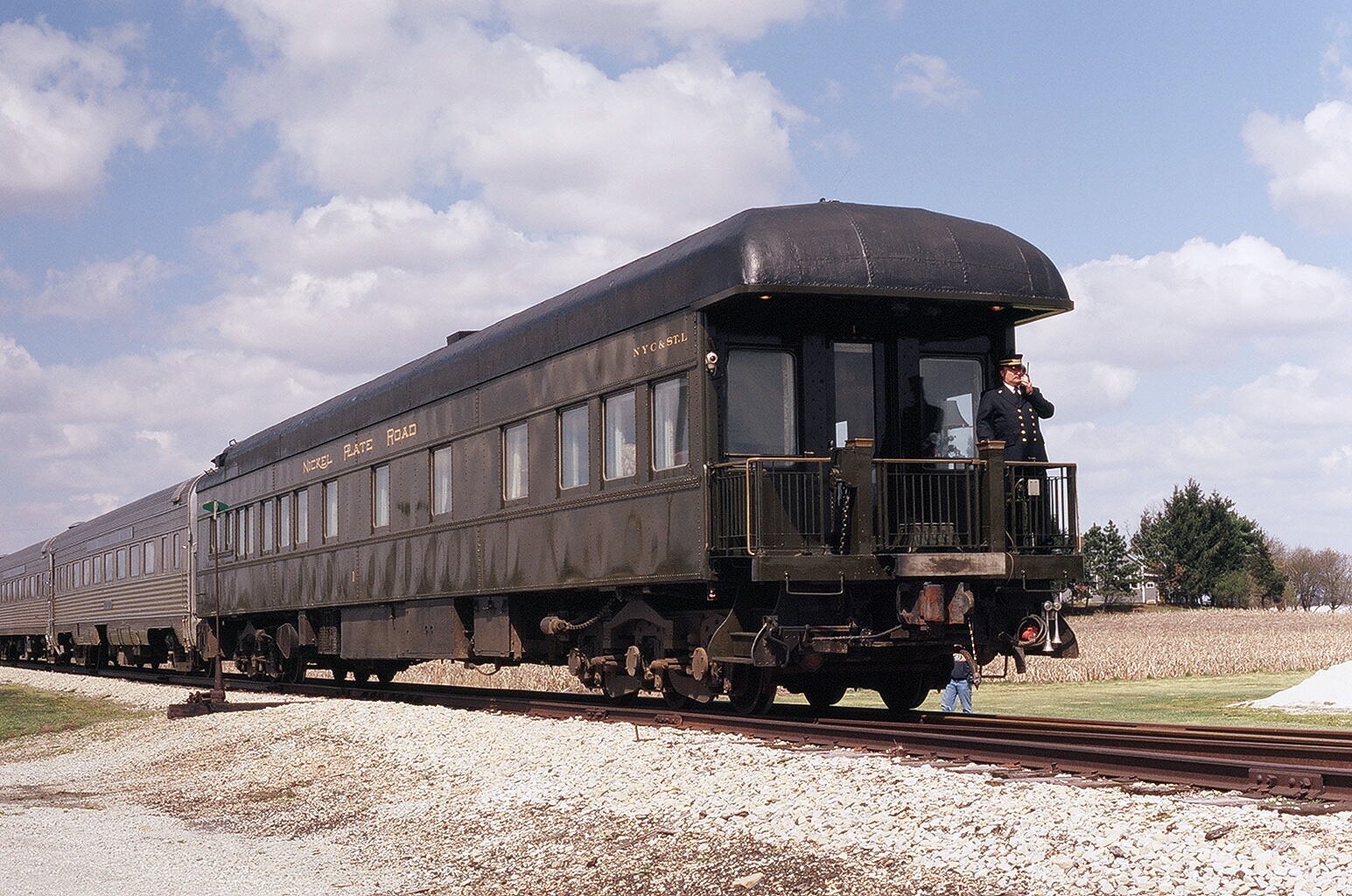
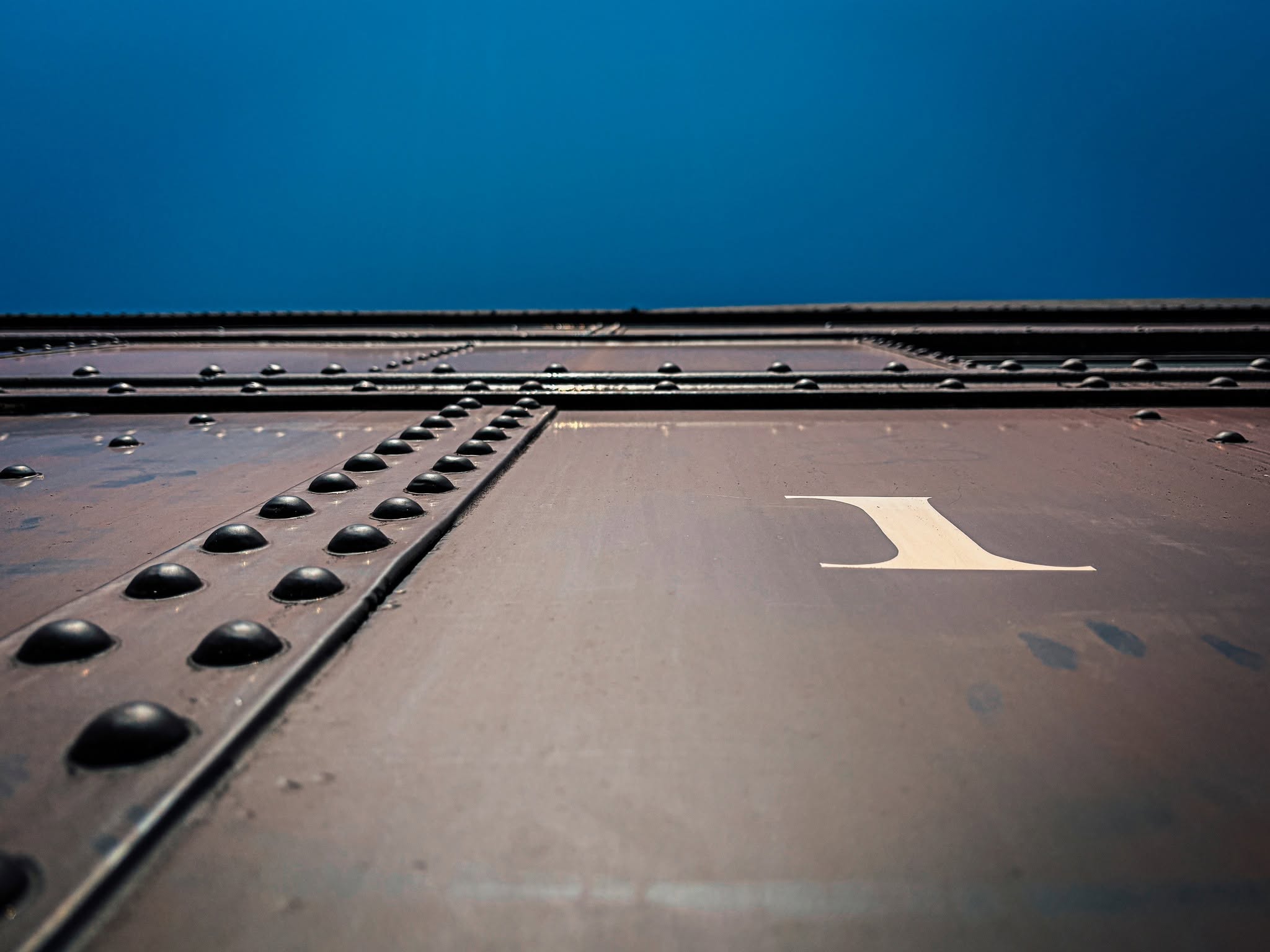
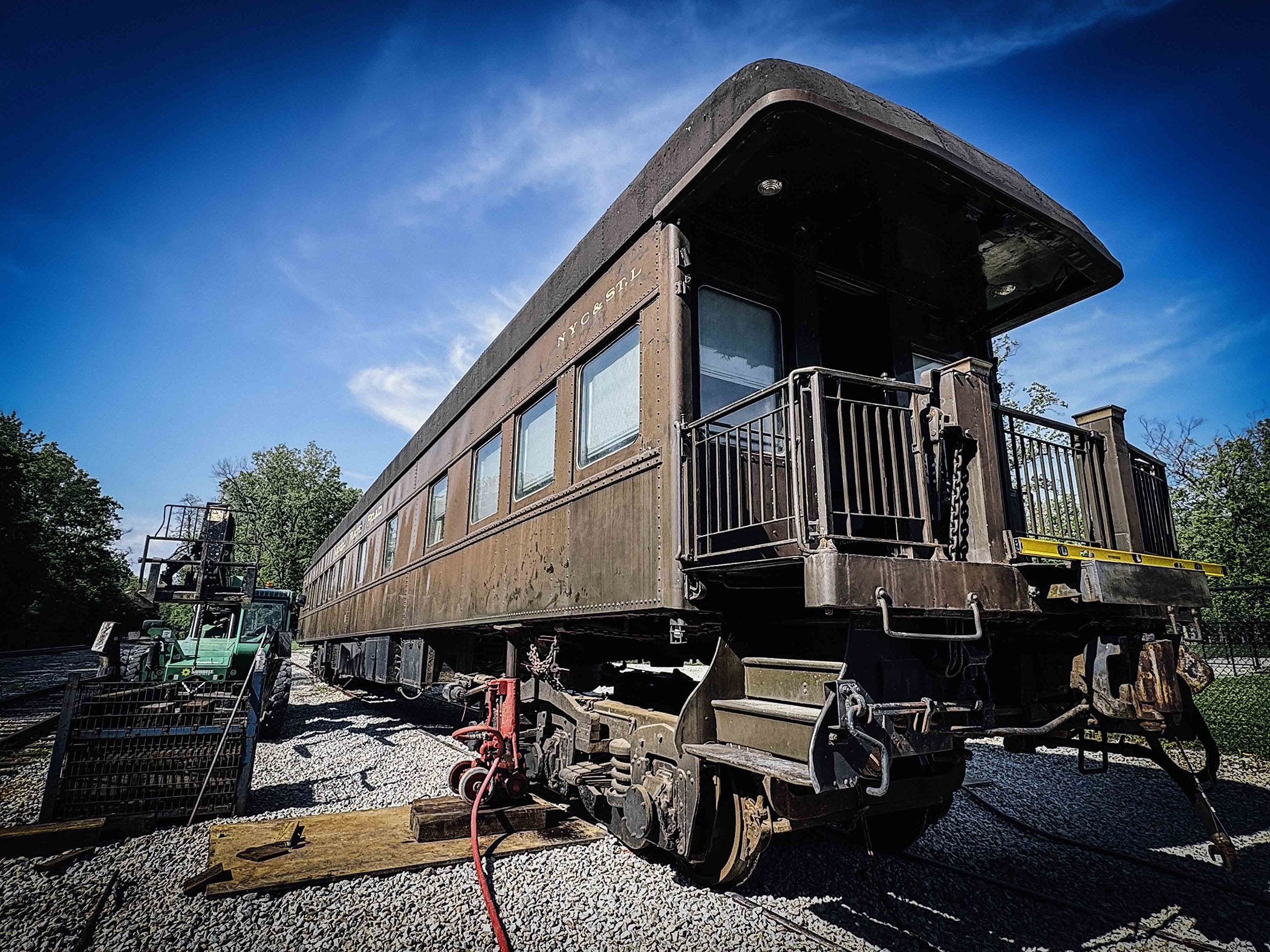
NORTHEAST INDIANA — The Fort Wayne Railroad Historical Society has announced the acquisition of Nickel Plate Road Business Car No. 1 — a remarkably intact Pullman-built executive car that once operated at the center of one of the most influential railroad systems in American history.
Constructed in February 1929 by the Pullman Car Works, the car was built for Oris and Mantis Van Sweringen — the architects of a railroad empire that spanned the Midwest and East Coast, shaping the movement of freight, industry, and capital across the nation. The car later operated as Chesapeake & Ohio No. 1 and Norfolk & Western Railway No. 1, tracing a direct line through the consolidation and evolution of American railroading in the mid-20th century.
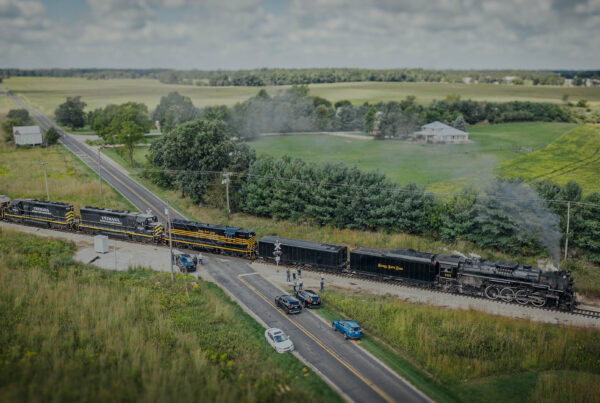
A comprehensive overhaul is planned to address deterioration and modernize the car’s critical systems, with restoration costs expected to begin at $300,000. Once complete, Business Car No. 1 will enter service alongside Nickel Plate Road Business Car No. 7, the Kitchi Gammi Club, which the organization acquired in 2025, operating behind restored Nickel Plate steam and diesel locomotives. When preserved, historic railroad equipment is rarely reunited with the same locomotives and companion cars it was built to travel with. Together, this remarkable collection will recreate an authentic Nickel Plate Road train, offering passengers a living experience that few preservation organizations can provide.
Initial relocation costs and seed money to begin the work have been granted by a private donor and the Olive B. Cole Foundation, Inc. Click here to make a gift or contribution online or by mail at NKP 1, Post Office Box 11017, Fort Wayne, Indiana, 46855.
“Opportunities like this are exceptionally rare, and this is one we have pursued for over 10 years,” said Kelly Lynch, Executive Director of the Fort Wayne Railroad. “This car sits at the intersection of multiple major railroads and a defining era of passenger rail travel and locomotive development. Alongside our other Pullman car, it opens a fantastic way for people to experience the craftsmanship and culture of American railroading in motion. We are grateful to Powell Felix for his recent guardianship of the car, and to Nickel Plate Heritage Railroad for providing it a safe harbor after the closure of the Indiana Transportation Museum.”
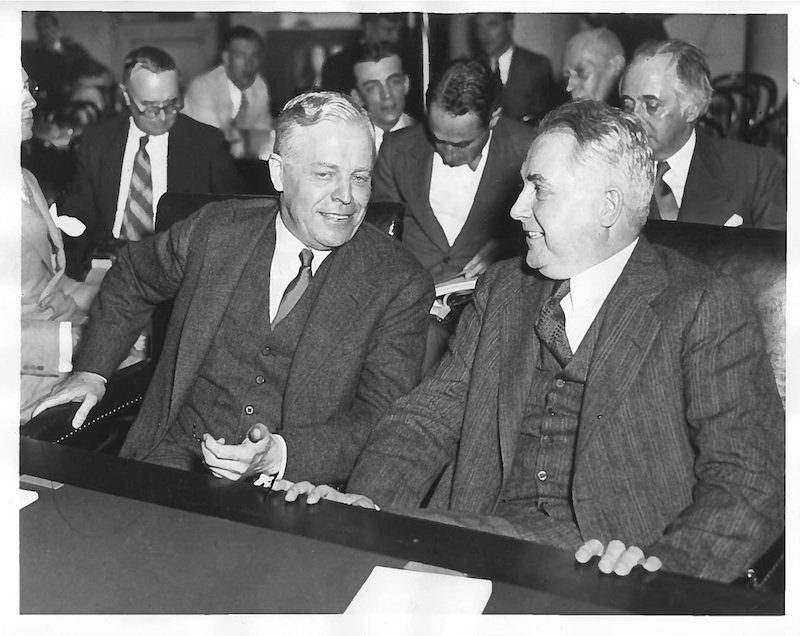
M.J. and O.P. and Van Sweringen in 1933.
From modest beginnings as office boys, the Van Sweringen brothers rose to command a vast network of railroads and real estate and at one point controlled assets valued in the billions, yet remained secluded, deliberate, and intensely focused on the work itself. Notoriously private, they avoided publicity at nearly every turn. They gave no speeches, granted no interviews, and remained largely absent from the social circles their wealth afforded. Contemporary accounts describe them traveling the rails in their private car, accompanied by secretaries and stenographers, conducting business on the move.
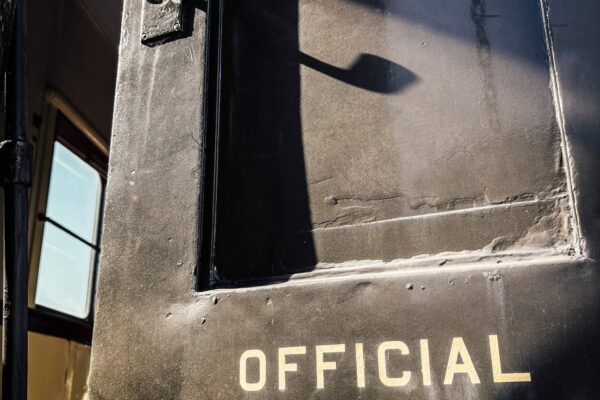
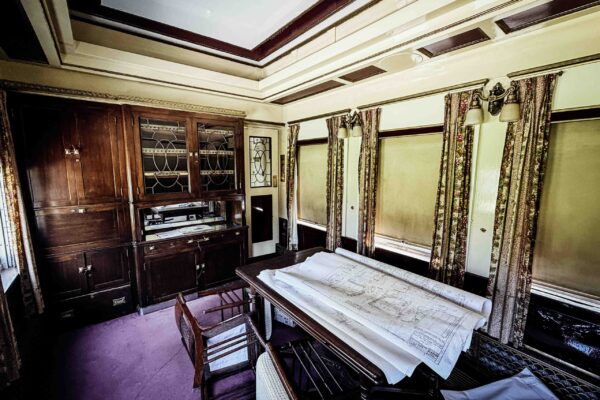
Business Car No. 1 served as a mobile command post where executives conducted inspections, negotiated strategy, and governed a railroad network stretching thousands of miles. If the Van Sweringen empire had a headquarters beyond Terminal Tower in Cleveland, it was aboard this car.
Behind the scenes, the Van Sweringen brothers brought a disciplined, system-wide approach to railroading. Through an internal Advisory Mechanical Committee, they worked to standardize locomotive design, mechanical practices, and operating efficiencies across the railroads under their control, aligning equipment and performance across what had once been independent systems.
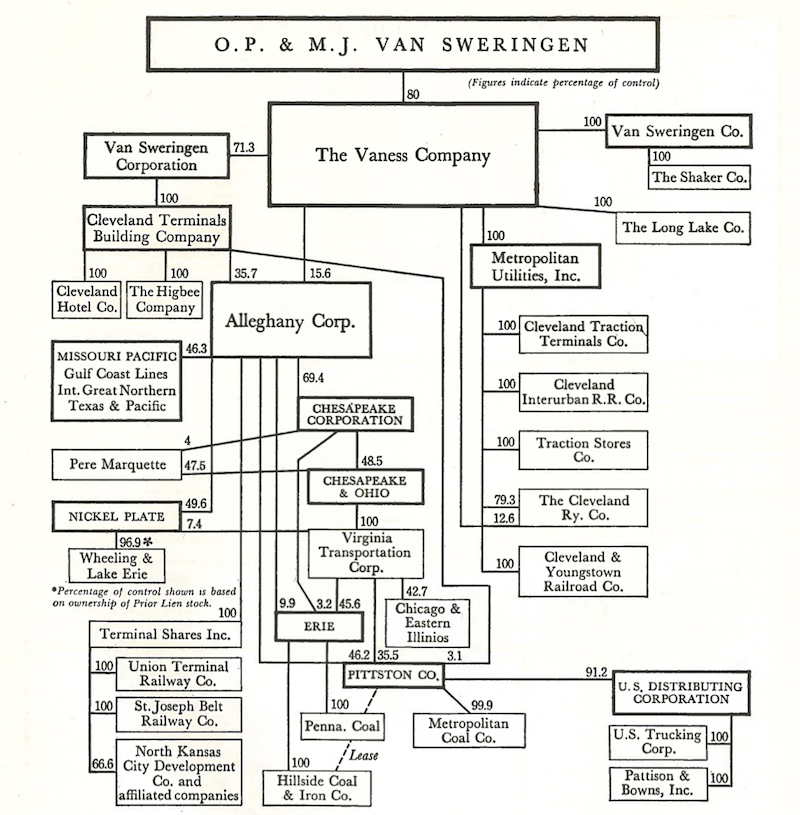
The Van Sweringen Empire
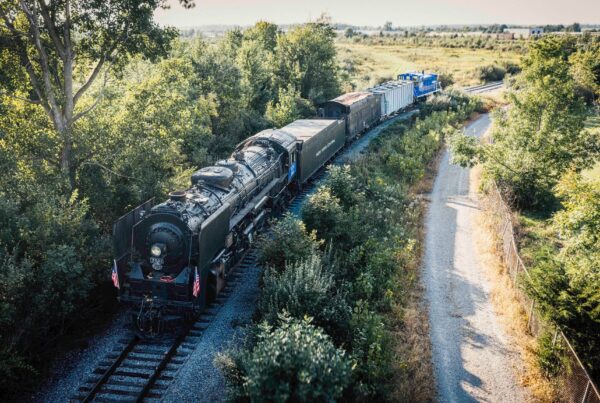
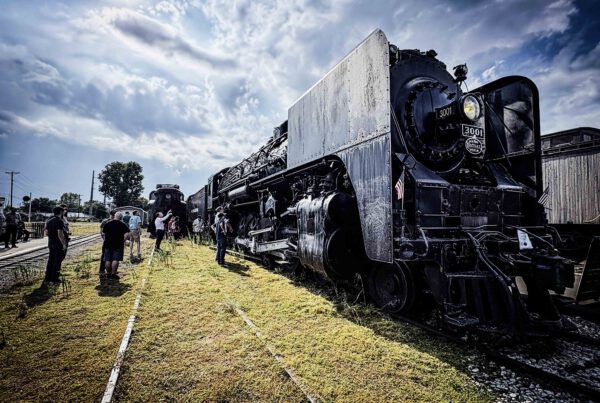
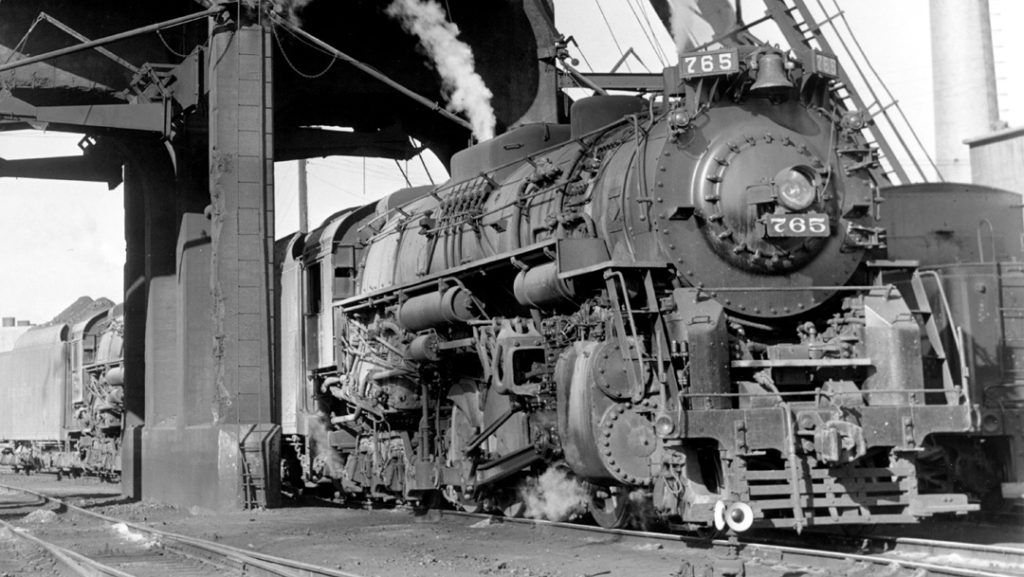
Out of that effort came one of the most successful steam locomotive designs of the 20th century: the Berkshire. Developed through this coordinated approach to engineering and operations, the Berkshire-type embodied the balance of speed, power, and efficiency that defined Van Sweringen-era railroading. That legacy remains in motion today through the operation of Nickel Plate Road No. 765, a Berkshire-type locomotive built in 1944 and later acquired and restored by the non-profit in the 1970s, applying many of the same principles of performance, discipline, and mechanical stewardship first shaped under the Van Sweringen system.
Following the death of Oris Van Sweringen in 1936, the car continued in executive service under successive railroad leadership, carrying forward into the era of consolidation that reshaped the American rail industry.
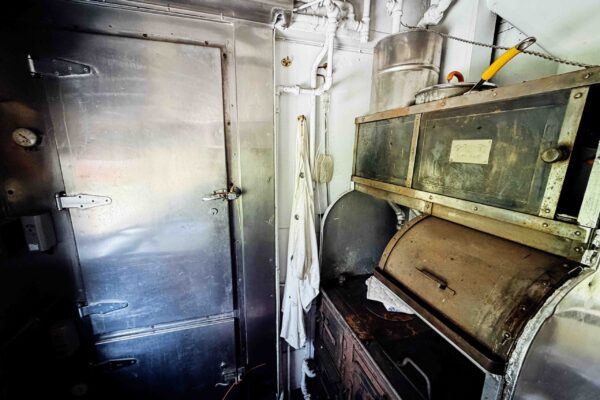
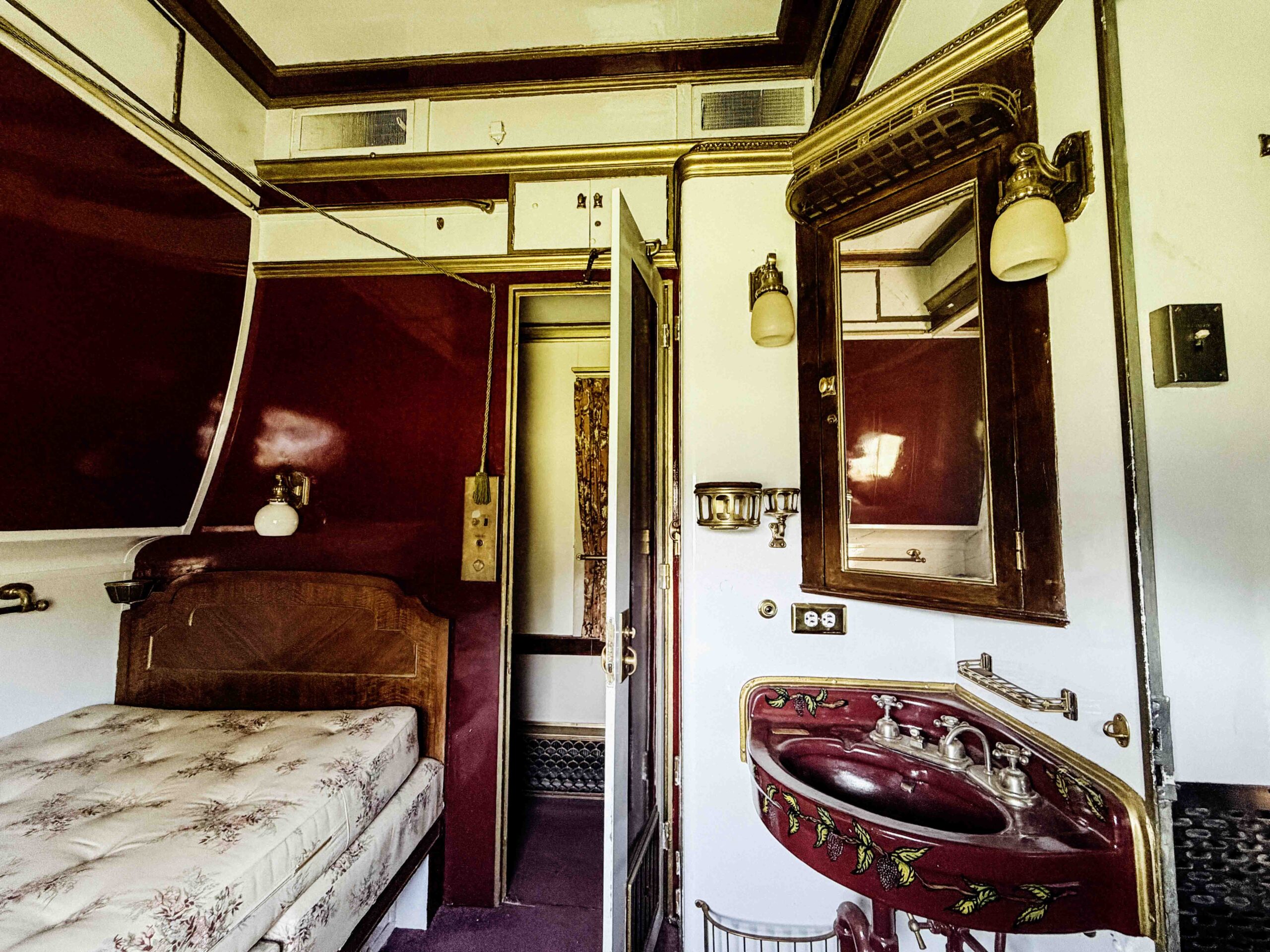
In 1971, the car was acquired from the Norfolk & Western Railway by J. Henry Kegley, a Bristol, Virginia, businessman, at a time when historic railroad equipment was routinely scrapped or dispersed. He maintained the car on a siding at his Tenneva Foods facility in a quiet yet decisive act of preservation, ensuring its survival. Many of the car’s systems today reflect Kegley’s work, with appliances and components dating to that period of caretaking.
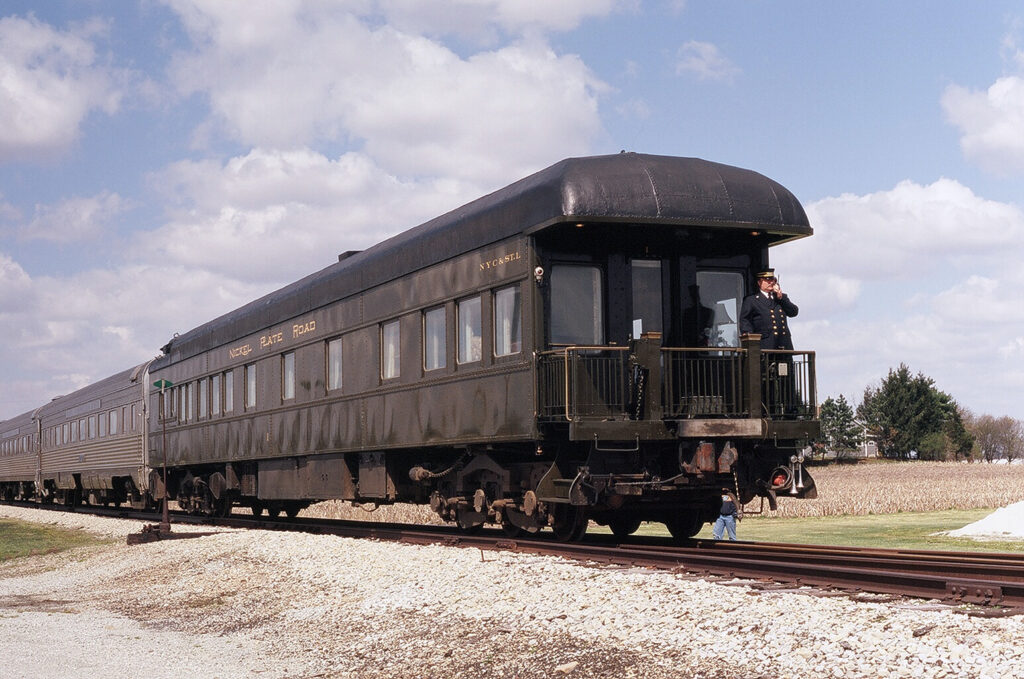
Following Kegley’s passing, the car was transferred from his estate in 1999, continuing its preservation. In the decades that followed, the car remained in the care of dedicated private owners, David and Eleanor Wilcox and Steve and Mary DeVoe. During this time, its use was donated to the Indiana Transportation Museum for the enjoyment and education of thousands of passengers through museum train trips, many special dinners, and special events.
Most recently, the car has been owned by Powell Felix, President of Indiana Boxcar Corporation. Through a special arrangement with Felix, the car has now joined the Fort Wayne Railroad’s operating fleet, beginning its next chapter in preservation and public interpretation.
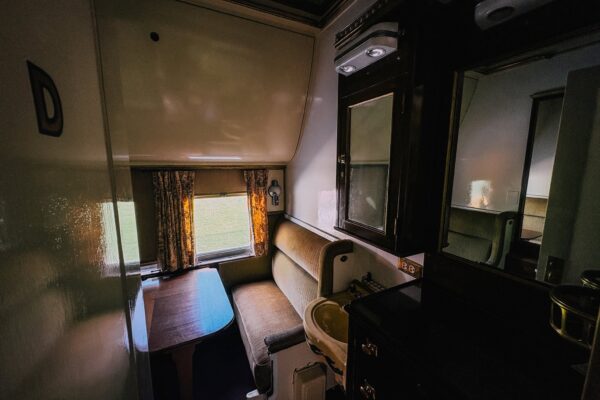
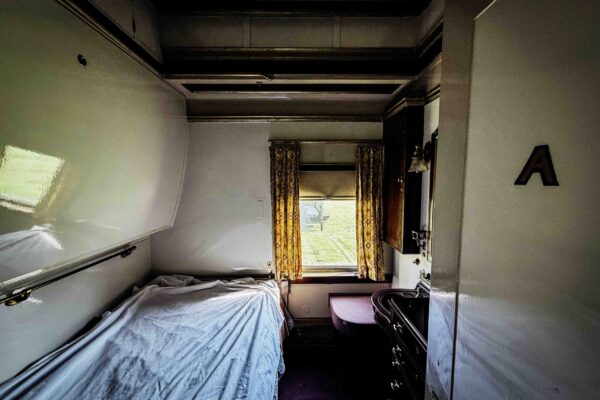
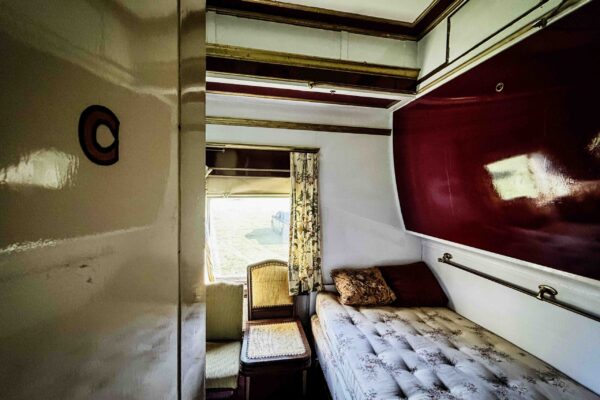
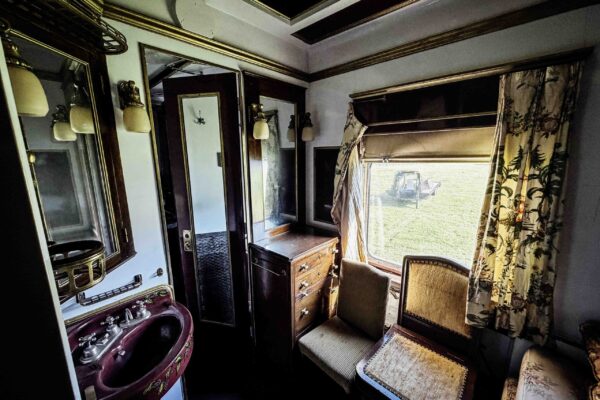
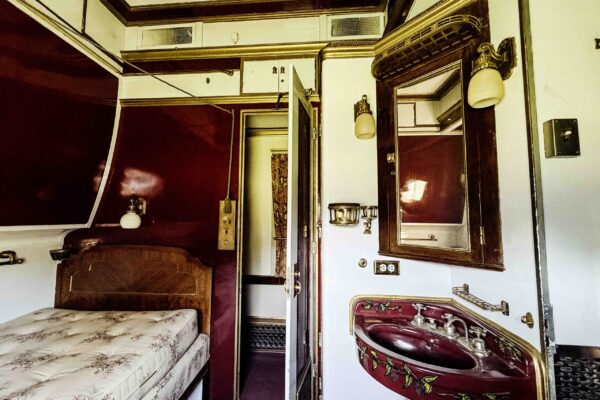
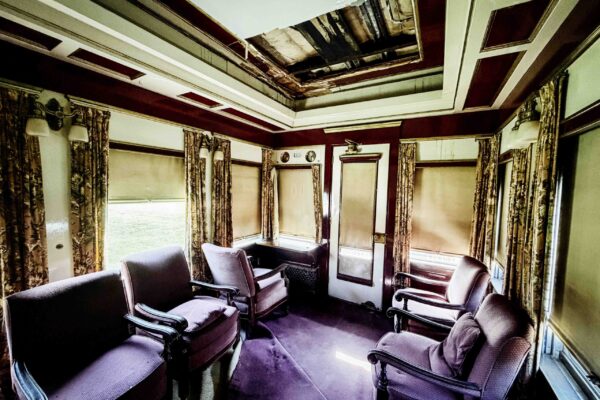
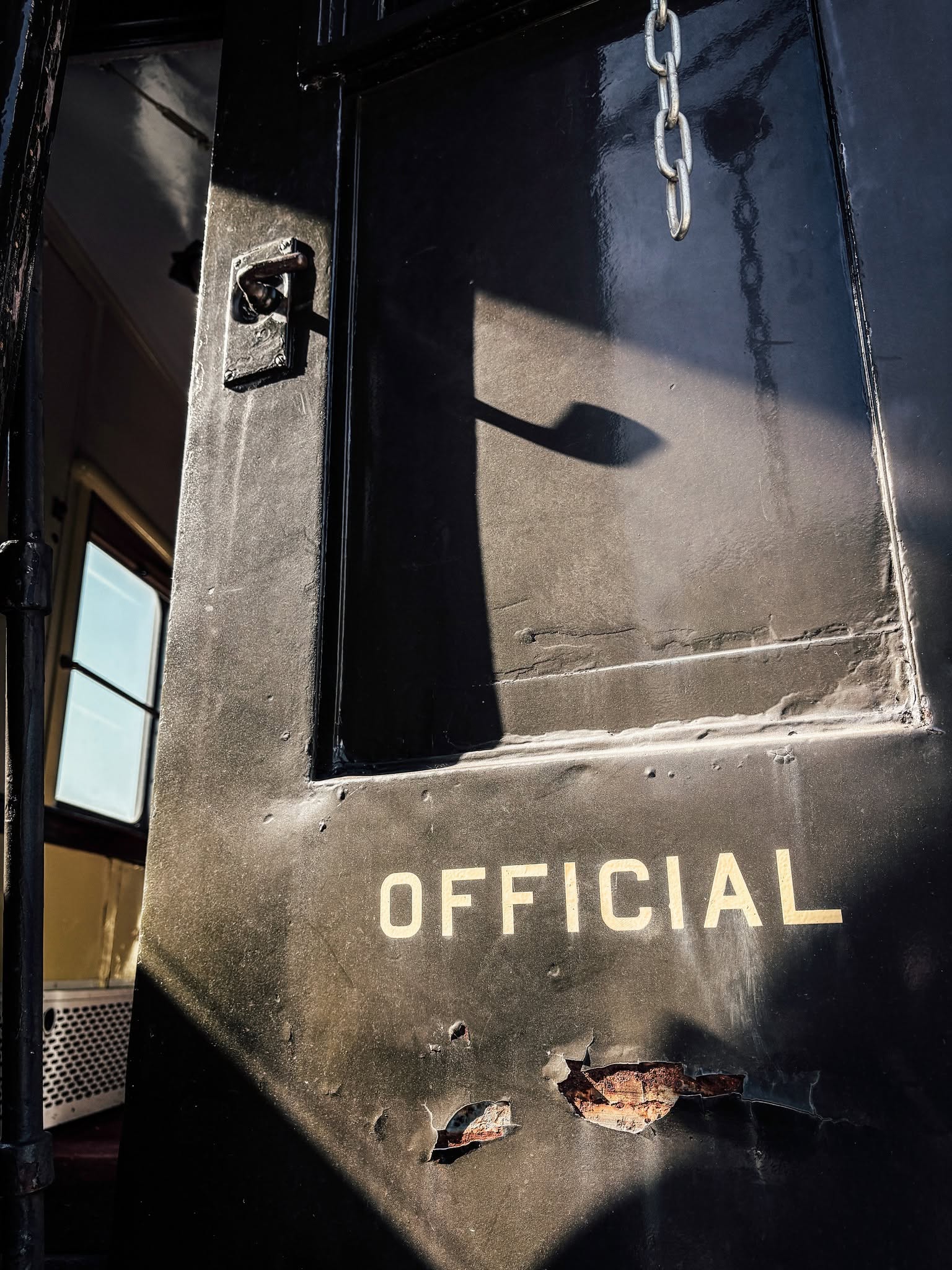
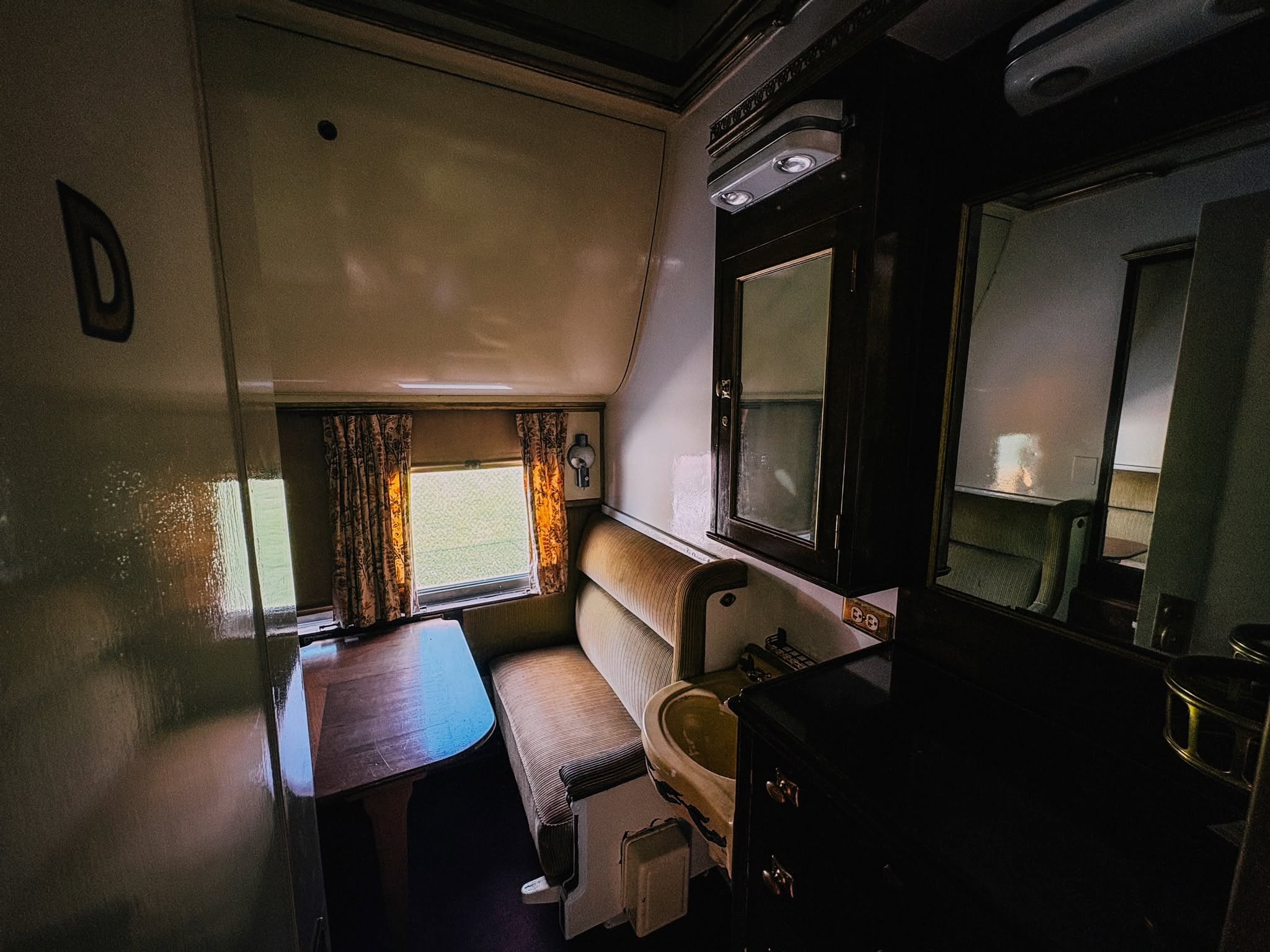
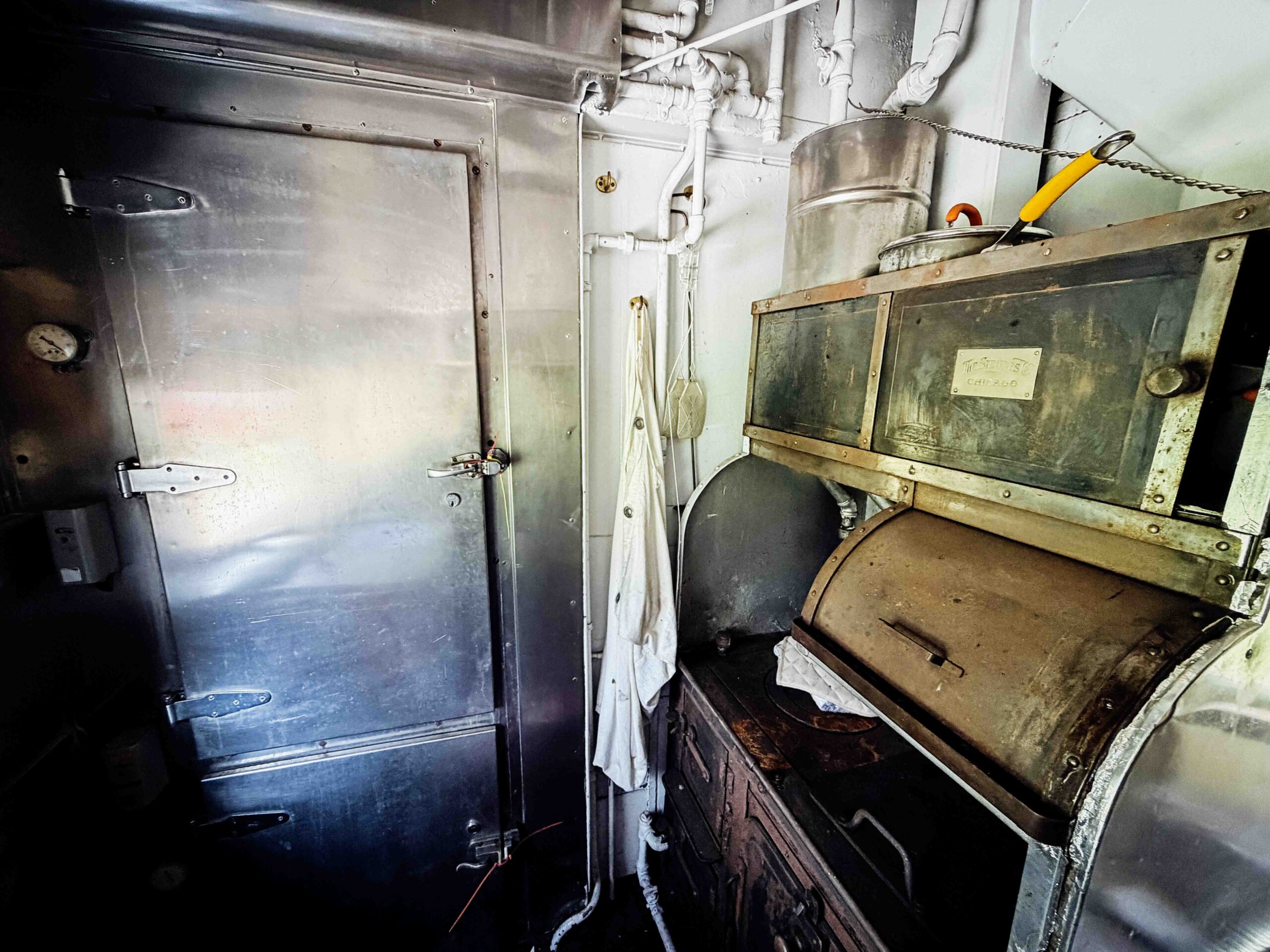
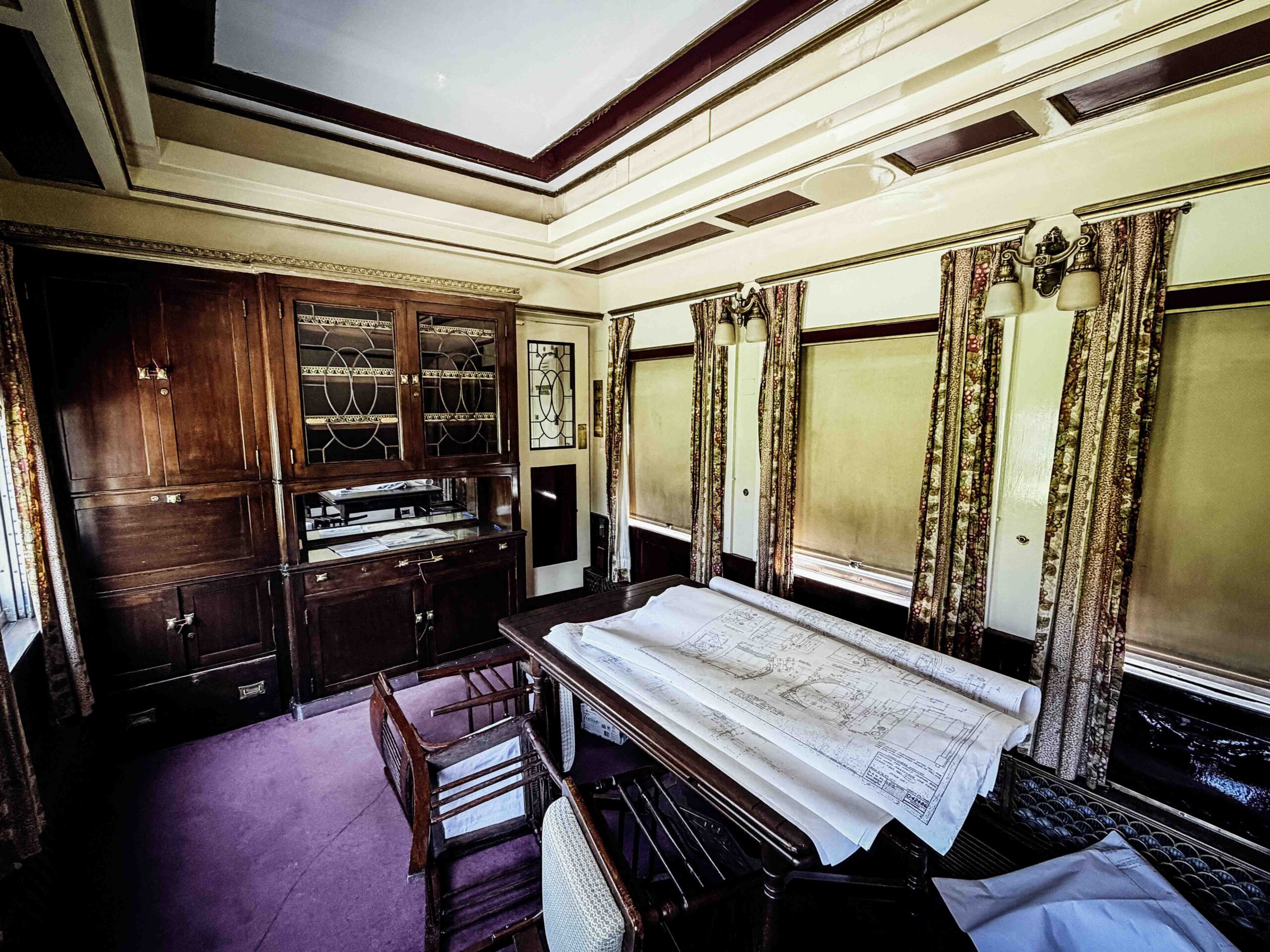
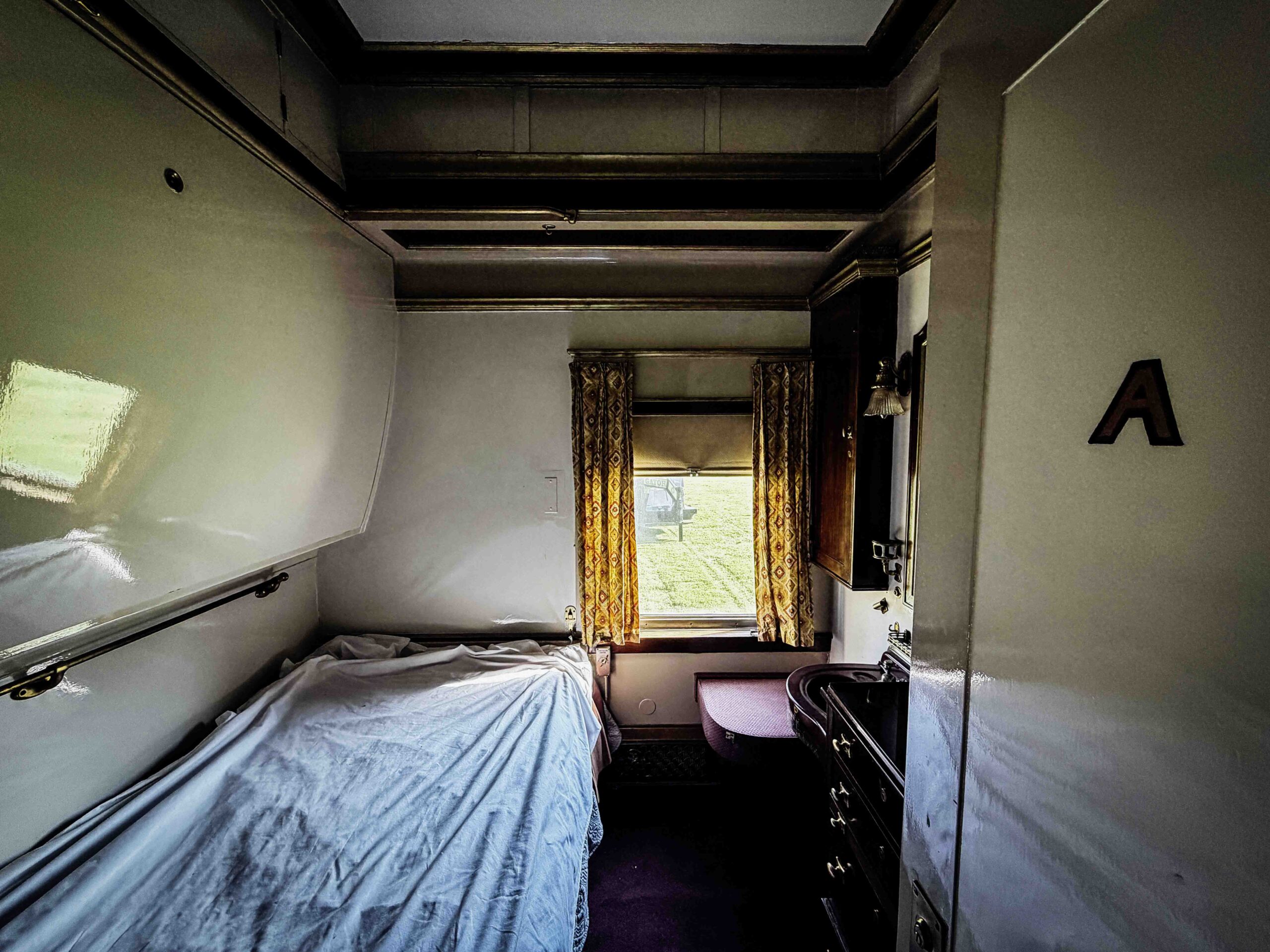
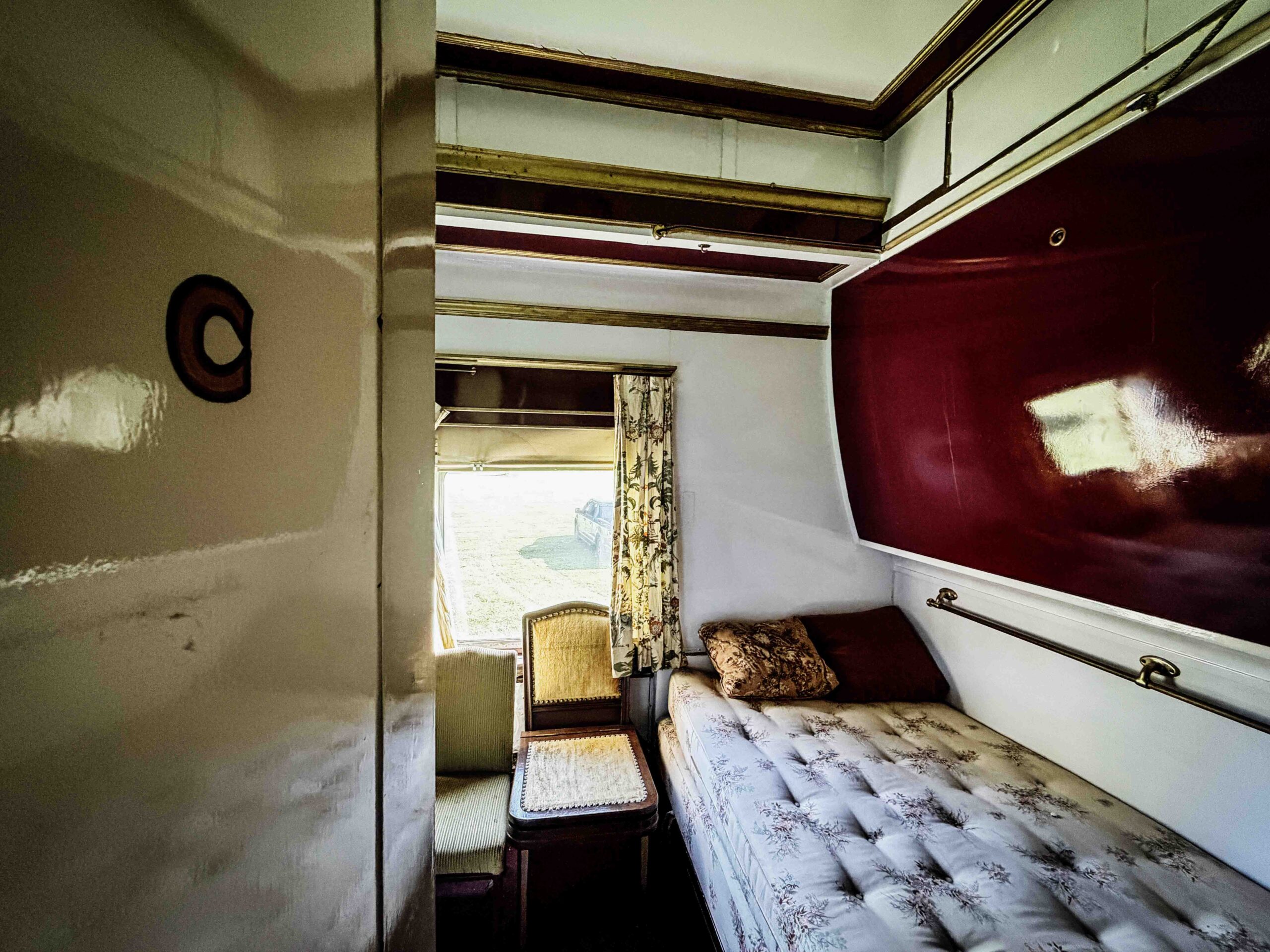
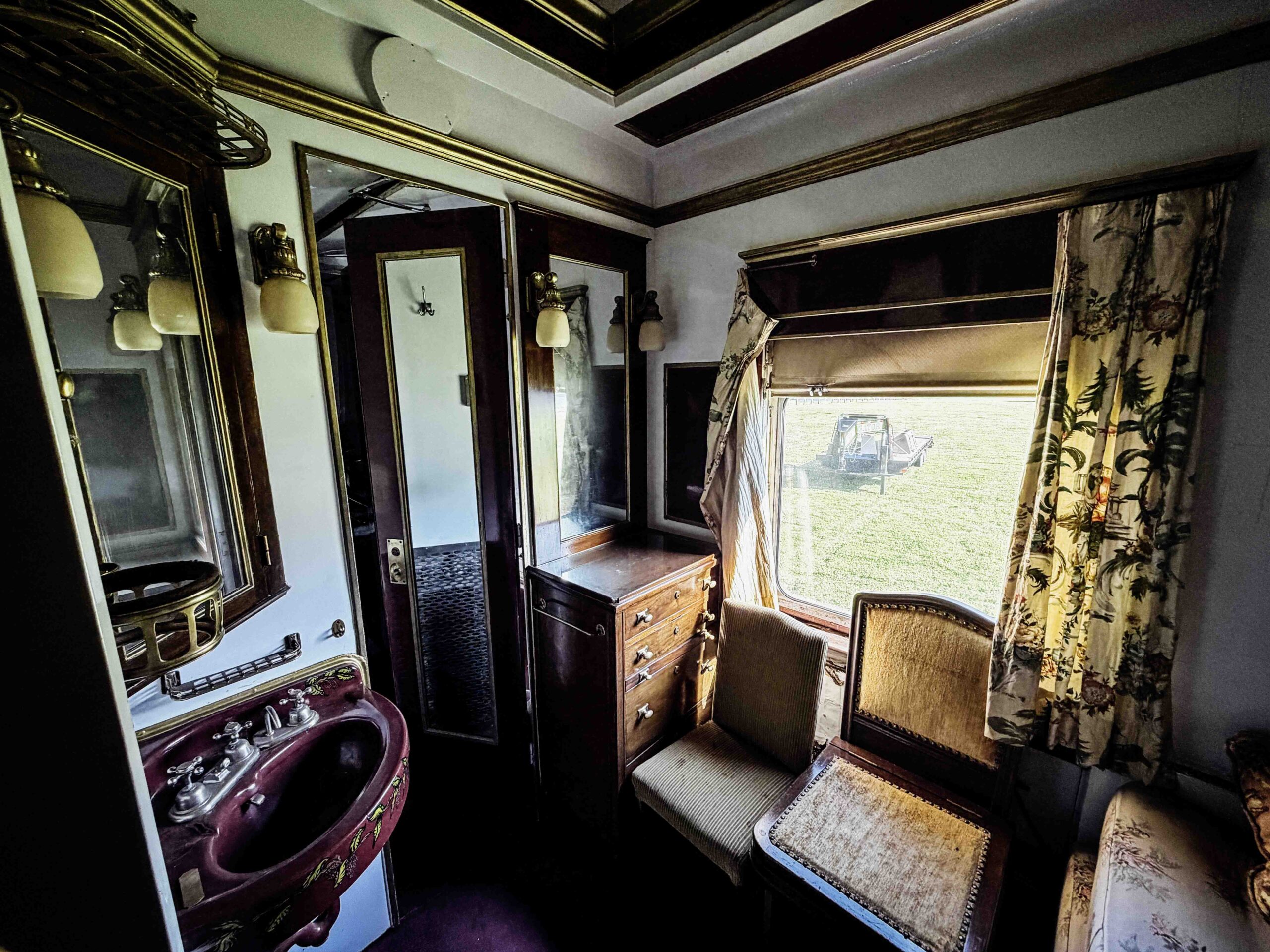
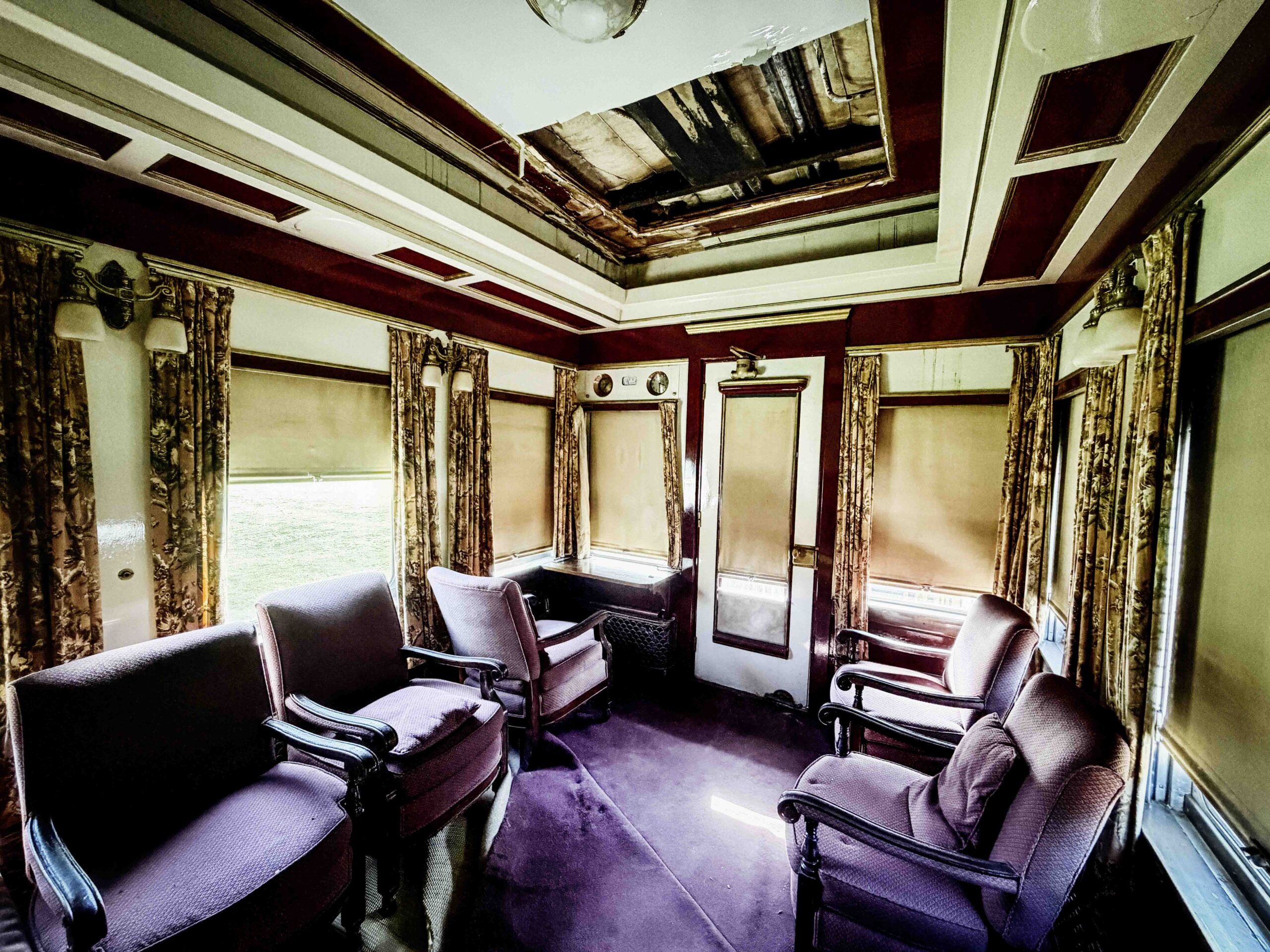
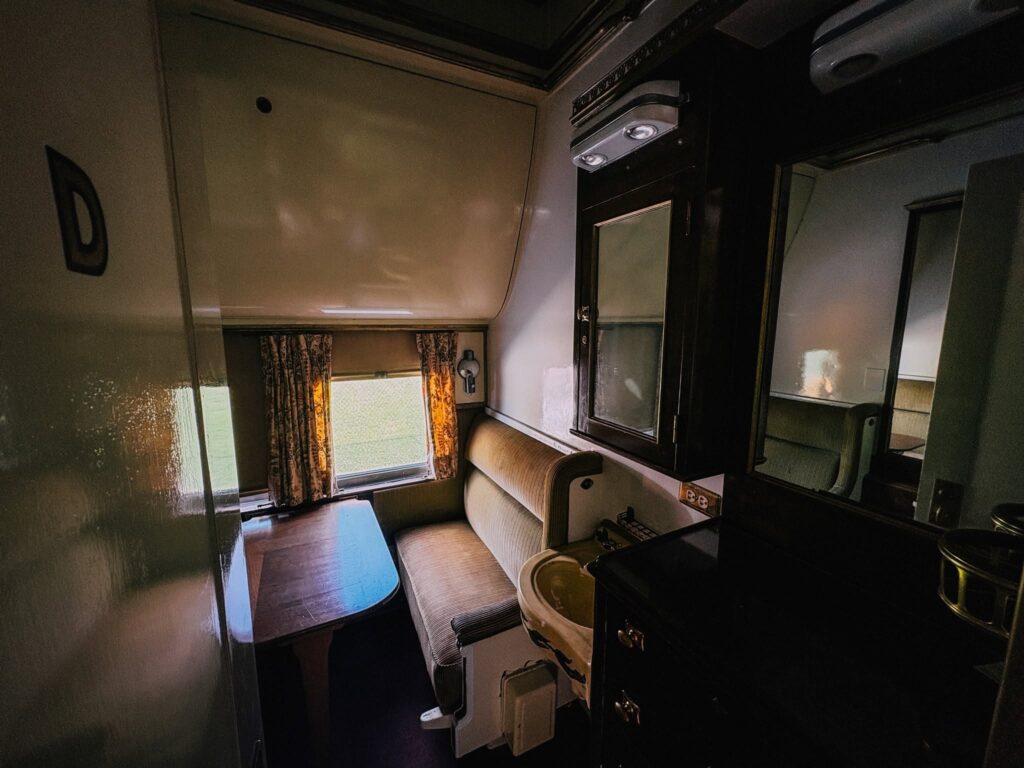
Designed to accommodate up to 16 guests in its original configuration, the all-steel car includes private quarters for staff, a full kitchen, a dining room, and a lounge. Inside, polished wood interiors and period details reflect the environment in which railroad leaders operated — a space where business, hospitality, and mobility were seamlessly combined.
While the car remains remarkably intact and retains its original fixtures, furnishings, and much of its historic mechanical fabric, its mechanical, electrical, and HVAC systems date to the 1970s, and years of moisture intrusion have taken a toll on portions of the lounge and private suites, where ceiling and window seal repairs are now necessary.
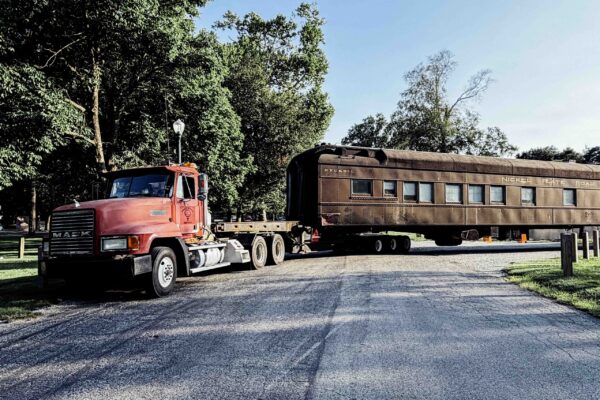
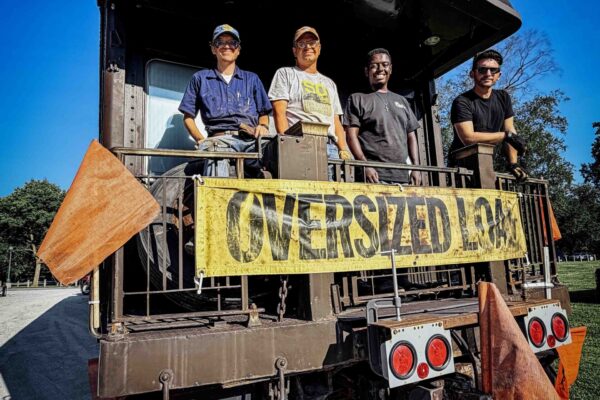
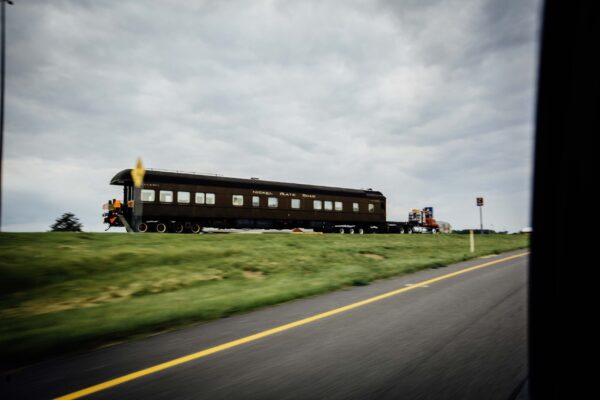
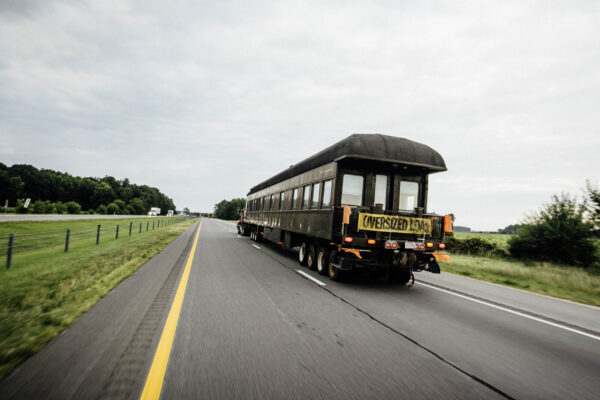
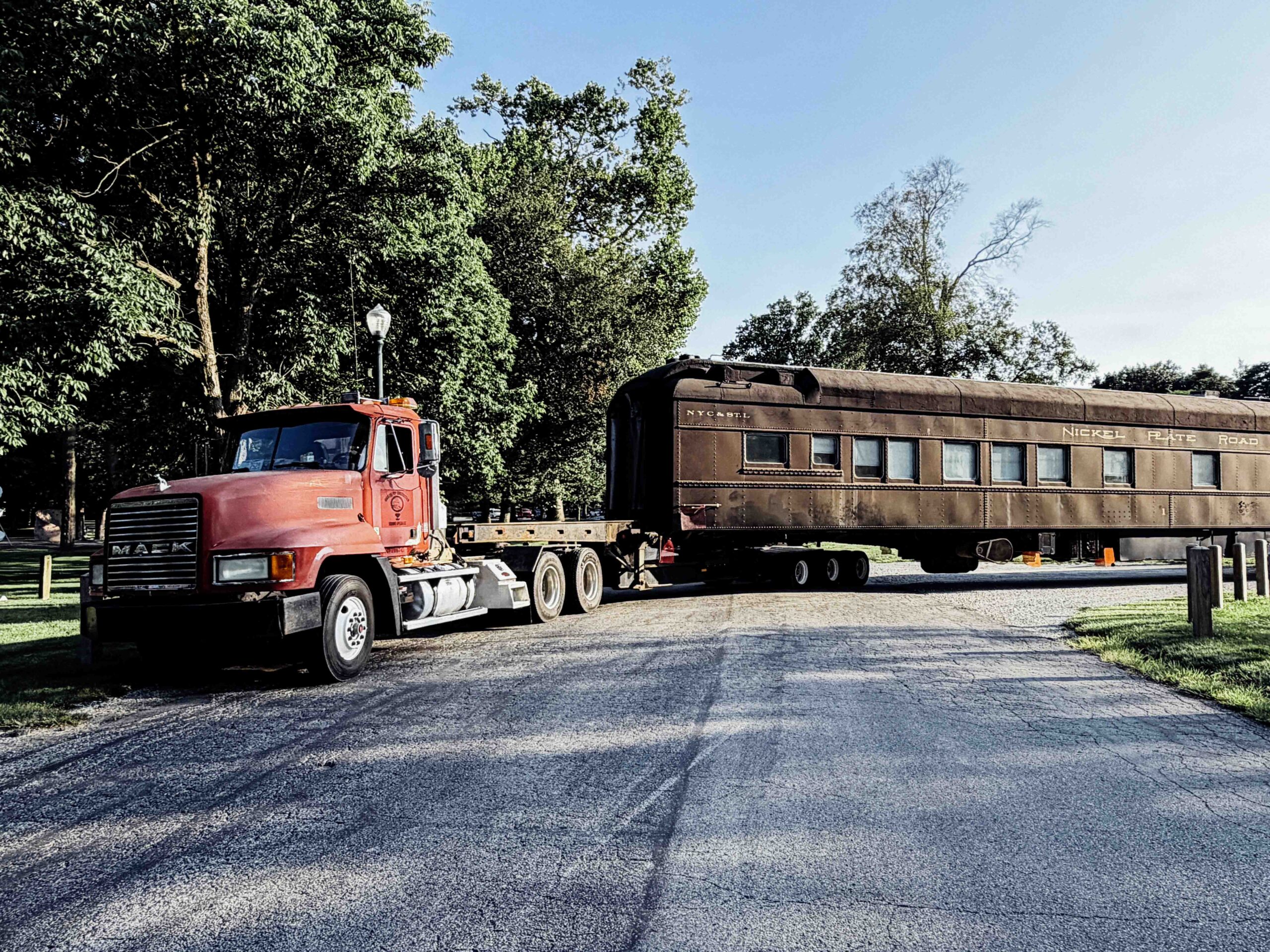
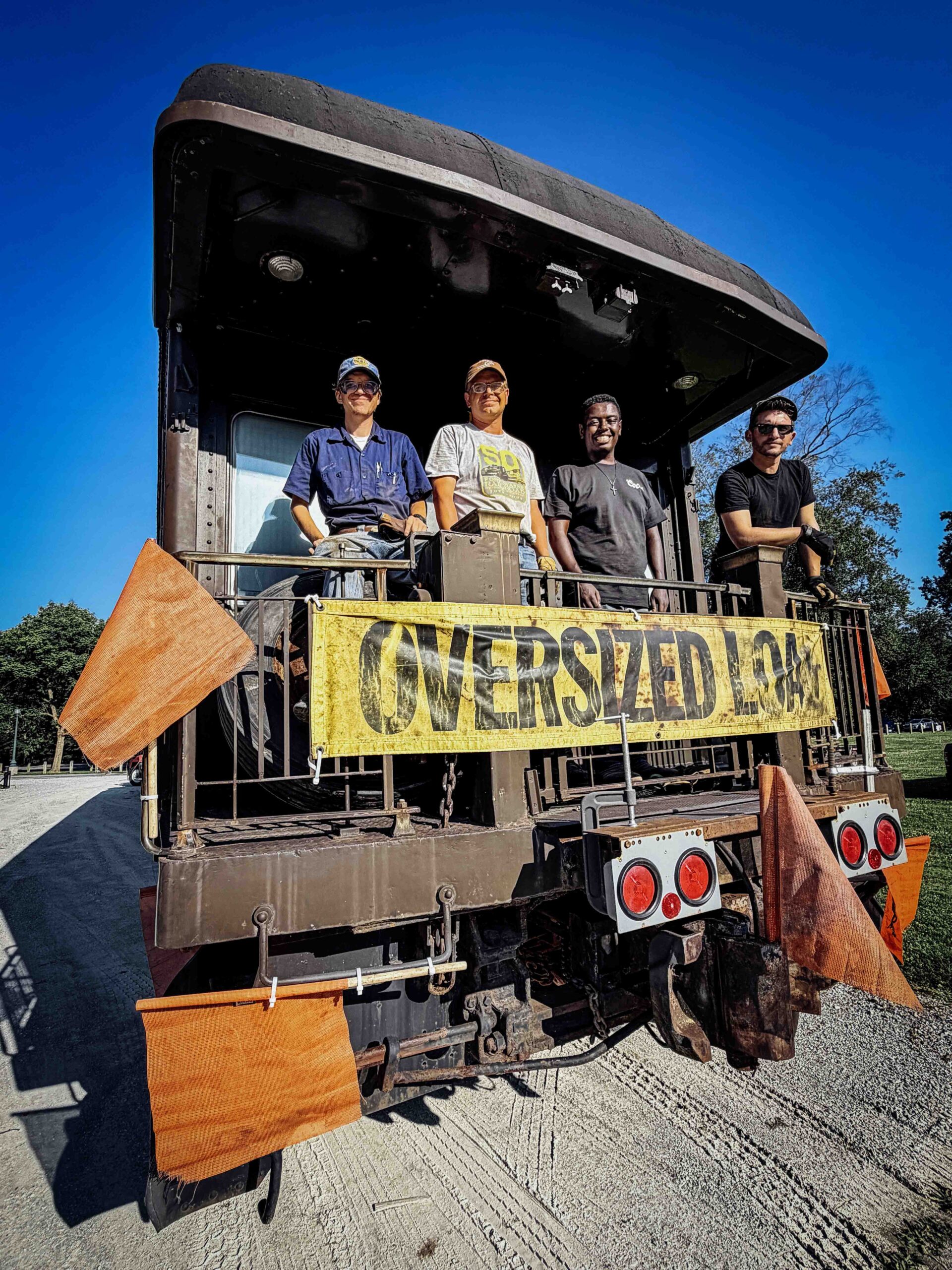
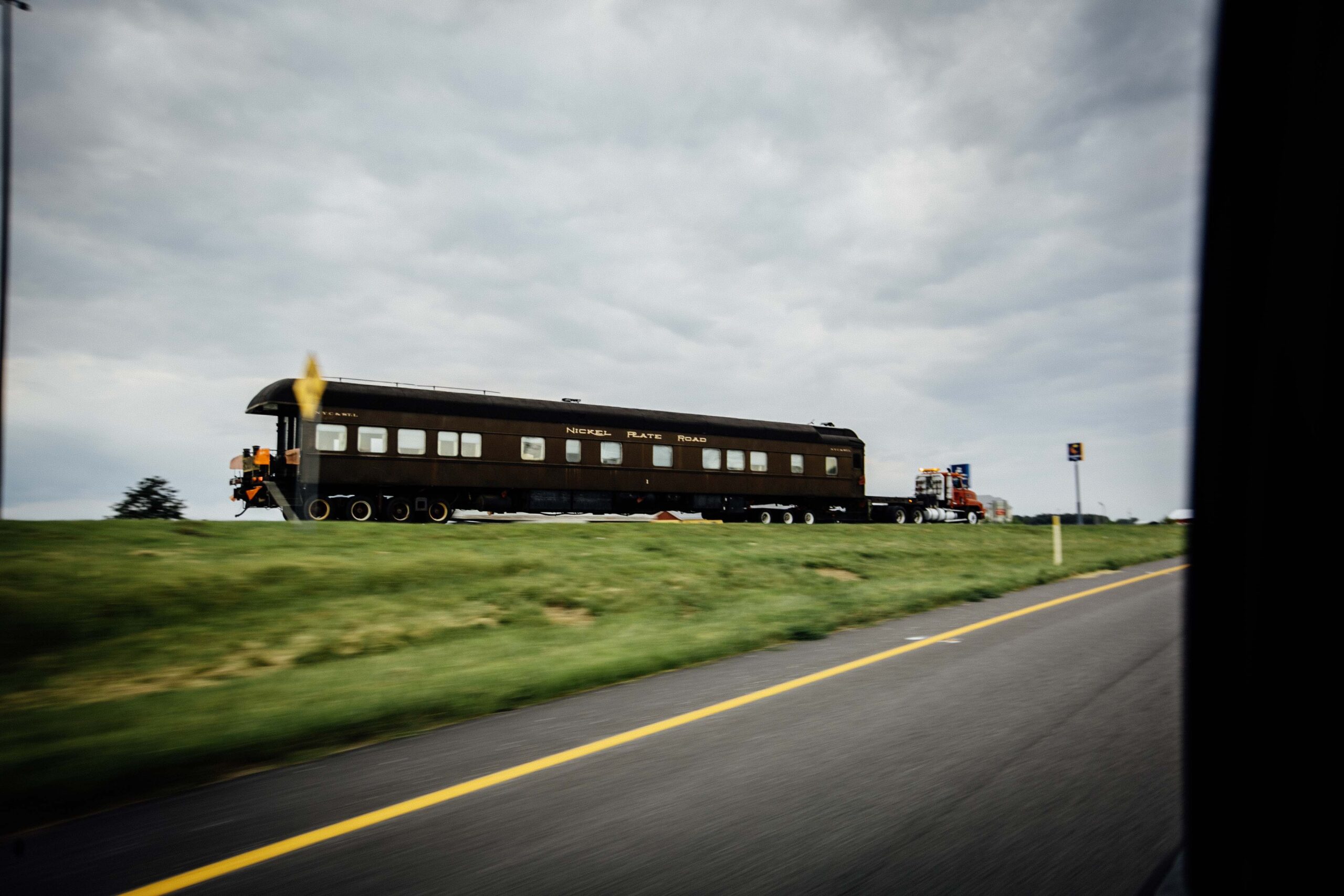
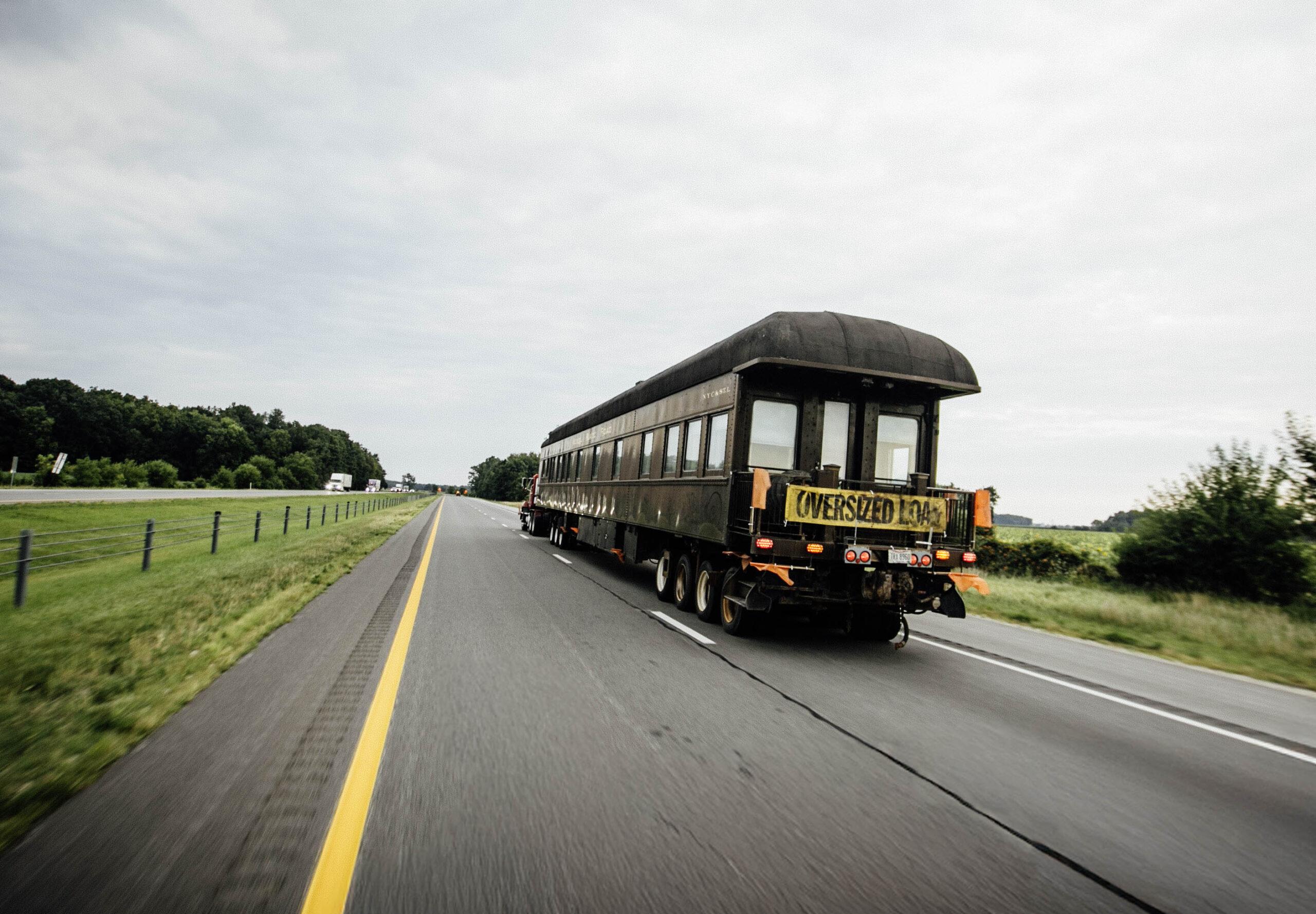
A comprehensive overhaul is planned to modernize critical systems and address deterioration. The car has recently been trucked over 109-miles to the Fort Wayne Railroad’s restoration shop in New Haven, Indiana.
The acquisition supports the Fort Wayne Railroad’s long-term vision to reconstruct an authentic passenger experience evocative of the Golden Age of Railroading, showcasing an immersive, operating environment that connects visitors directly to the transportation culture that once powered American commerce. The car will carry the markers on future trips on the Indiana Rail Experience, and travel behind the same Nickel Plate Road locomotives that it would have traveled behind in its original service life.
Only five Nickel Plate Road business cars are known to survive, with others located in Lima, Ohio; New Bremen, Ohio; and Los Angeles, California. With this acquisition, the Fort Wayne Railroad now stewards one of the most significant collections of Nickel Plate executive equipment in existence, reinforcing its leadership in preserving and interpreting Midwestern railroad history.